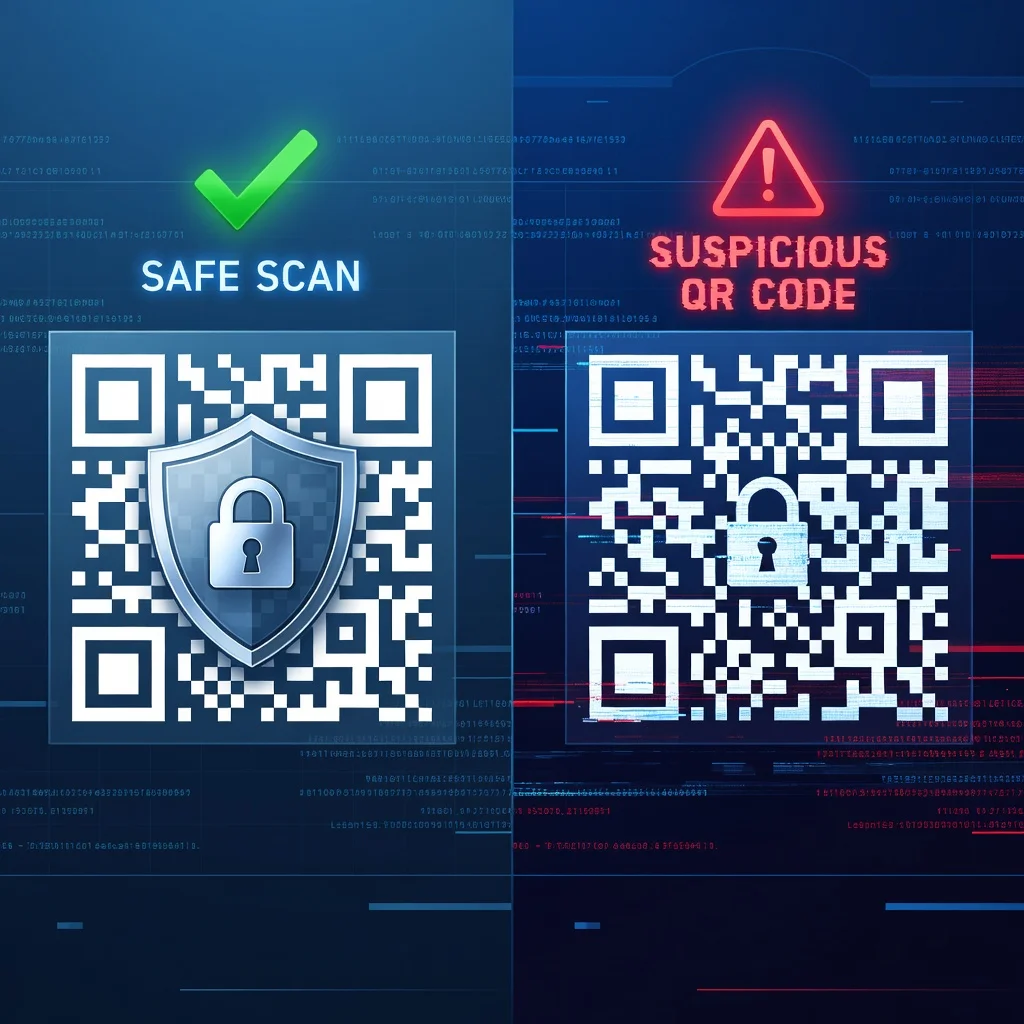
QR-Code-Sicherheit: Risiken verstehen und sich schützen
Sie können einem QR-Code nicht ansehen, wohin er tatsächlich verweist. Das ist das Kernproblem. Ein legitim wirkender Code, der auf einem Flyer gedruckt ist, könnte Sie auf eine Phishing-Seite umleiten. Ein Code auf einem Poster könnte Sie zu Schadsoftware schicken. Die verborgene Natur von QR-Codes macht sie nützlich, aber sie macht sie auch anfällig für Missbrauch. Diese Risiken zu verstehen, ist unkompliziert; sich zu schützen, ist einfach kluge Praxis.
Wie bösartige QR-Codes funktionieren
Bösartige QR-Codes betten typischerweise URLs ein, die auf gefälschte Seiten verweisen, die darauf ausgelegt sind, Zugangsdaten zu stehlen oder Schadsoftware zu verbreiten. Da das Ziel bis zum Scannen verborgen bleibt, können Angreifer schädliche Links in legitim aussehenden Codes verstecken. Ein QR-Code auf einer Parkuhr könnte auf eine gefälschte Zahlungsseite statt auf die echte verweisen. Ein Code in einer E-Mail könnte auf Seiten zum Abgreifen von Zugangsdaten umleiten. Sie sehen die Täuschung erst, wenn Sie bereits gescannt haben und die URL geladen wird.
Häufige Angriffsvektoren bei QR-Codes
- Phishing: QR-Codes, die auf gefälschte Anmeldeseiten verweisen, die darauf ausgelegt sind, Zugangsdaten zu stehlen
- Verbreitung von Schadsoftware: Codes mit Links zu bösartigen Apps oder ausführbaren Dateien
- Finanzbetrug: QR-Codes, die nicht autorisierte Zahlungen oder Transaktionen auslösen
- Abgreifen von Zugangsdaten: Gefälschte Formulare, die Passwörter, Kreditkarten oder persönliche Informationen abfragen
- WiFi-Spoofing: QR-Codes, die Geräte mit betrügerischen WiFi-Netzwerken verbinden
- Social Engineering: Codes, die auf überzeugende Betrugswebsites oder Support-Seiten umleiten
Physische Manipulation von QR-Codes
Hier ist ein unterschätztes Risiko: Jemand ersetzt einen legitimen QR-Code durch einen gefälschten. Böswillige Akteure drucken ihre eigenen Codes und kleben sie über legitime Codes auf Geldautomaten, Parkuhren oder Werbeplakaten. Ein kleiner Aufkleber verdeckt den ursprünglichen Code vollständig. Jemand scannt, was wie ein offizieller Parkuhr-Code aussieht, doch tatsächlich handelt es sich um einen Ersatz, der auf eine Betrugsseite verweist. Dieser "Quishing"-Angriff funktioniert, weil er das Vertrauen in den Standort ausnutzt.
Anzeichen verdächtiger QR-Codes
- QR-Codes an unerwarteten Stellen (über bestehende Codes geklebt, hastig angebracht)
- Codes mit schlechter Druckqualität oder ungewöhnlichem Erscheinungsbild
- QR-Codes mit teilweise sichtbaren Aufkleberrändern, die auf eine Überklebung hinweisen
- Codes aus Quellen, die Sie nicht kennen oder denen Sie nicht vertrauen
- QR-Codes in E-Mails von unbekannten Absendern, die dringendes Handeln fordern
- Ungewöhnliche Platzierung auf Dokumenten, die Sie über unerwartete Kanäle erhalten haben
Best Practices für sicheres Scannen von QR-Codes
- Das Ziel in der Vorschau ansehen: Die meisten modernen QR-Scanner-Apps zeigen die Ziel-URL an, bevor der Link geöffnet wird. Überprüfen Sie diese Information stets
- Vertrauen Sie Ihrer Quelle: Bevorzugen Sie das Scannen von QR-Codes aus offiziellen Quellen und von vertrauenswürdigen Marken
- Physische Codes überprüfen: Prüfen Sie, ob QR-Codes legitime Platzierungen auf offiziellen Materialien zu sein scheinen
- Verwenden Sie zuverlässige Scanner: Nutzen Sie QR-Scanner-Apps von seriösen Entwicklern mit Sicherheitsprüfungen
- Ziel-Domains überprüfen: Vergewissern Sie sich, dass die URL Ihren Erwartungen entspricht, bevor Sie weiterklicken
- Öffentliche WiFi-Codes vermeiden: Seien Sie äußerst vorsichtig beim Verbinden mit Netzwerken über QR-Codes an öffentlichen Orten
- Dringende Aufforderungen hinterfragen: Codes, die eine sofortige Zahlung oder Handlung fordern, sind oft betrügerisch
Sicherheitsfunktionen mobiler Geräte
Ihr Telefon verfügt bereits über integrierte Schutzmaßnahmen. Moderne Smartphones zeigen Ihnen die Ziel-URL an, bevor sie geöffnet wird. Einige Telefone bieten eine Sicherheitsprüfung, die URLs mit bekannten Bedrohungen abgleicht. Halten Sie Ihr Betriebssystem aktuell; Sicherheitspatches sind wichtig. Verwenden Sie eine seriöse QR-Scanner-App. Diese einfachen Schritte beseitigen den Großteil des Risikos.
Für Geschäftsinhaber: Ihre QR-Codes schützen
Wenn Sie QR-Codes für Ihr Unternehmen verwenden, schützen Sie sie. Verwenden Sie manipulationssichere Materialien für physische Codes, sodass offensichtlich wird, wenn jemand sie überklebt hat. Achten Sie auf betrügerische Kopien im Internet. Verfolgen Sie die Analysen Ihrer dynamischen QR-Codes; ungewöhnliche Weiterleitungsmuster könnten auf Manipulation hinweisen. Klären Sie Mitarbeiter und Kunden über die Sicherheit von QR-Codes auf. Diese Praktiken verhindern, dass Ihre Codes gekapert werden.
Technologielösungen für sichere QR-Codes
Fortgeschrittene Sicherheit geht über grundlegende Praxis hinaus. Kryptografische Signaturen bestätigen, dass ein Code nicht verändert wurde. Blockchain-basierte QR-Codes erstellen dauerhafte, manipulationssichere Aufzeichnungen. Einige Dienste erkennen Phishing-Versuche automatisch. Für Anwendungen mit hohem Sicherheitsbedarf fügen hardwaregesicherte QR-Codes Authentifizierungsebenen hinzu. Diese Werkzeuge existieren für Organisationen mit ernsthaften Sicherheitsanforderungen.
Die Zukunft der QR-Code-Sicherheit
Sicherheitslösungen entwickeln sich weiter. Maschinelles Lernen erkennt inzwischen viele betrügerische QR-Codes. Die Blockchain-Integration bietet eine Authentifizierung, die nicht gefälscht werden kann. Regulatorische Rahmenwerke werden entwickelt, um QR-Code-Betrug zu bekämpfen. Während die Bedrohungen wachsen, verbessern sich die Abwehrmaßnahmen.
Erzeugen Sie sichere, legitime QR-Codes mit unserem vertrauenswürdigen Generator. Bauen Sie Zuversicht in Ihre QR-Code-Kampagnen auf.