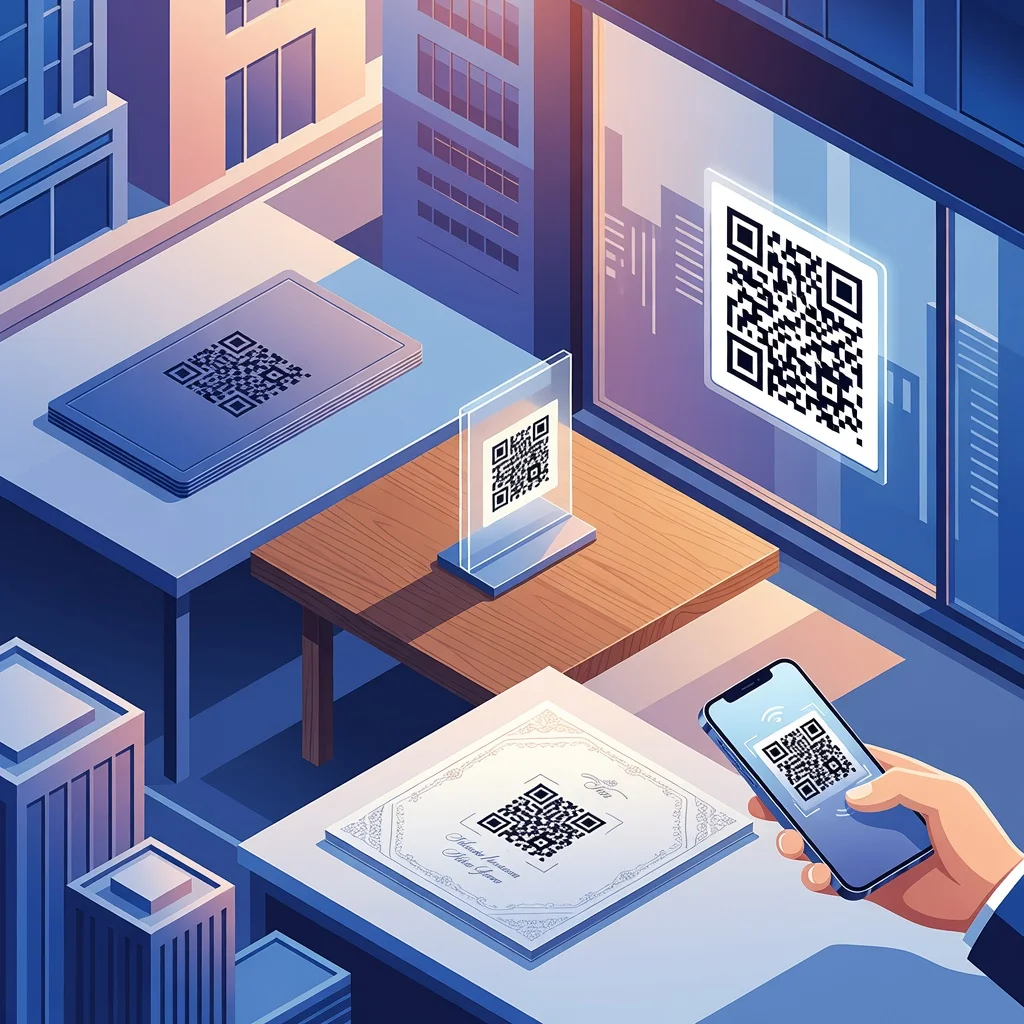
¿Qué son los códigos QR y cómo funcionan?
Un código QR es simplemente un código de barras cuadrado que tu teléfono puede leer. Apunta la cámara hacia él y en cuestión de un segundo te conectarás con aquello a lo que enlaza: una página web, datos de contacto, contraseña de WiFi, lo que sea. Funcionan porque almacenan datos mediante patrones de cuadros blancos y negros, y los teléfonos pueden decodificar esos patrones al instante.
Definición e historia de los códigos QR
Masahiro Hara inventó los códigos QR en 1994 en Denso Wave, un proveedor automotriz japonés. Originalmente servían para rastrear piezas de automóviles en las líneas de fábrica, básicamente un código de barras más rápido y denso que los que existían. La tecnología tuvo éxito porque podía almacenar mucha más información que los códigos de barras tradicionales y funcionaba desde cualquier ángulo, lo que la hizo útil en muchos sectores.
Su funcionamiento es elegante: los datos se codifican como patrones de cuadros, la cámara de tu teléfono lee el patrón y el software lo decodifica en texto, URL, información de contacto o lo que sea que esté almacenado. No necesitas internet para el escaneo en sí, solo la cámara del teléfono y una app lectora de QR.
¿Por qué usar códigos QR en tu estrategia de marketing?
Los códigos QR tienden un puente entre lo impreso y lo digital. Alguien ve tu folleto, cartel o empaque de producto. Escanea. De repente está en tu página web, leyendo un menú, registrándose o viendo un video. Sin escribir una URL, sin complicaciones, solo un escaneo rápido y ya están ahí.
- Enlace directo sin obligar a las personas a escribir URL largas
- Rastrea qué materiales de marketing se escanean de verdad y cuáles simplemente se ignoran
- Funciona sin conexión: el escaneo no requiere internet, solo la capacidad de decodificar el patrón
- Forma sencilla de llevar tráfico desde materiales físicos a tus propiedades digitales
Ideas creativas de códigos QR para negocios
1. Tarjetas de visita
En lugar de saturar la tarjeta con todo, pon un código QR en el reverso que enlace a tus datos de contacto, LinkedIn o un portafolio. La gente puede guardar tus datos simplemente escaneando, sin tener que usar bolígrafo.
2. Empaques de productos
Las marcas de alimentos usan códigos QR para mostrar recetas, información nutricional o datos sobre el origen. Los minoristas pueden enlazar a instrucciones de montaje o información sobre la garantía. Es como añadir un manual sin el papel adicional.
3. Escaparates de tiendas
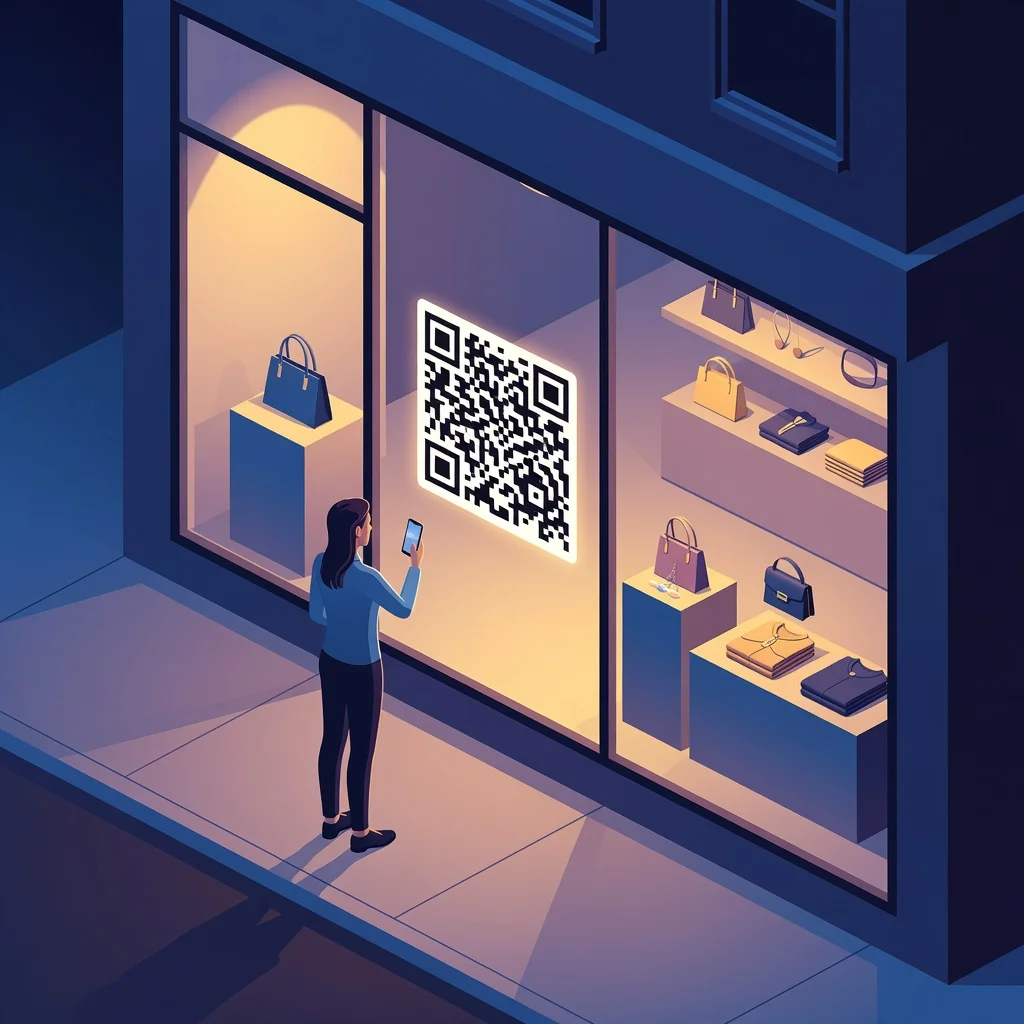
Coloca un código en tu escaparate que enlace a tu tienda en línea o a las promociones del momento. Incluso cuando estés cerrado por la noche, las personas que pasen pueden consultar tus productos y horarios.
4. Canales de redes sociales
Imprime un código QR que enlace a tu Instagram o TikTok. Mucho más fácil que pedir a la gente que escriba un nombre de usuario.
5. Anuncios impresos
Un anuncio en revista, folleto o cartel puede incluir un código QR que enlace a contenido en video, testimonios o una página de destino especial. Puedes rastrear qué anuncios realmente se escanean frente a los que solo se ven.
6. Pagos sin contacto
Durante la pandemia, los restaurantes se pasaron a los códigos QR para menús y pagos. La costumbre se mantuvo porque de verdad es más rápido y limpio que pasar terminales físicas de pago.
7. Materiales de marketing
Coloca un código en materiales de conferencias, correo directo u objetos promocionales. Al escanearlo se obtiene contenido adicional como un informe técnico, un enlace a un webinar o un código de descuento.
8. Museos y sitios históricos
Ubica códigos junto a las exhibiciones. Los visitantes escanean y escuchan a un historiador explicar el valor del objeto, leen contexto histórico o acceden a imágenes adicionales. Enriquece la experiencia sin necesidad de más personal.
9. Servicio de tintorería
Los clientes pueden escanear un código al recoger su pedido para consultar el estado o ver ofertas especiales. Es un pequeño detalle que se siente moderno y útil.
10. Restaurantes

Enlaza a un menú digital para que los comensales puedan ver fotos, precios y reseñas antes de pedir. También pueden dejar su opinión o valorar los platos directamente desde su mesa.
Ideas únicas de códigos QR para uso personal
11. Invitaciones de boda
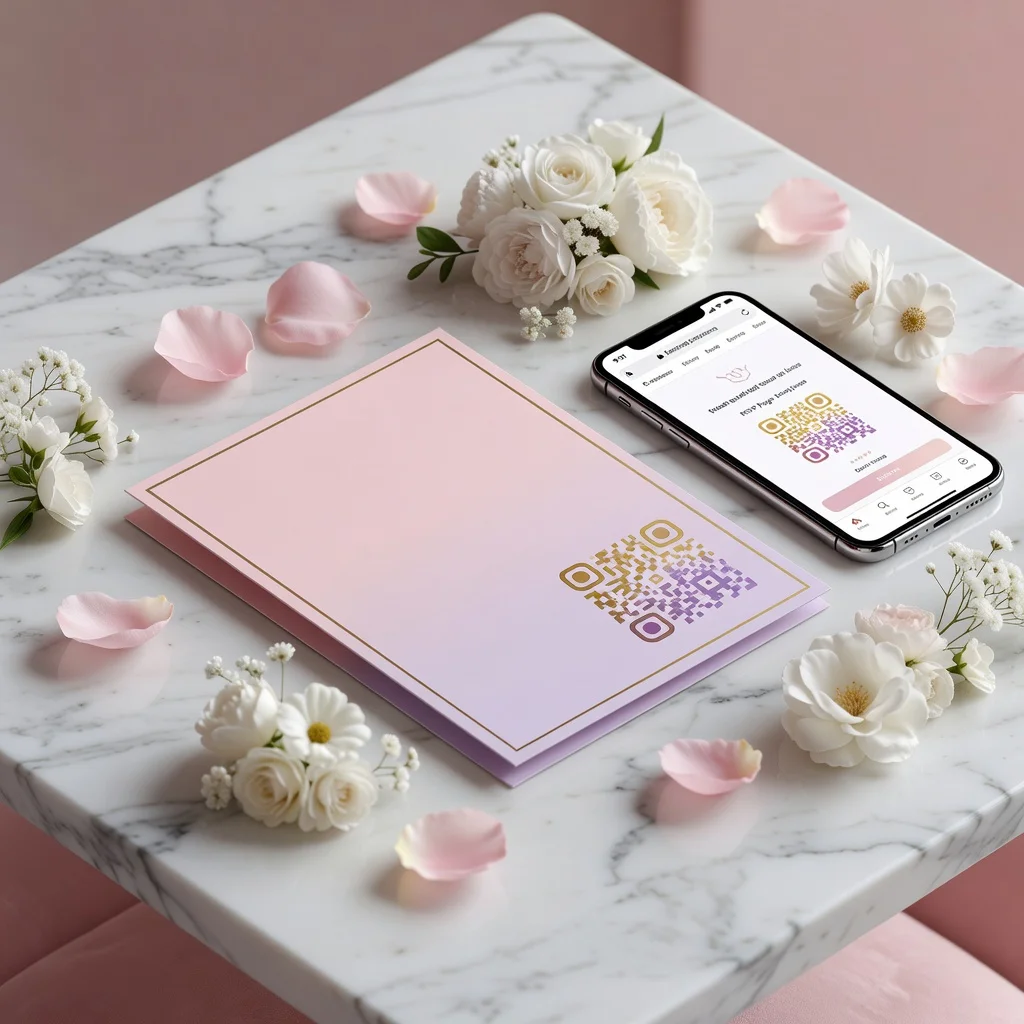
Añade un código a la invitación que abra tu página de boda con la fecha, lugar, información del hotel y la lista de regalos. Los invitados pueden confirmar asistencia sin un intercambio adicional de correos.
12. Mensajes personales
Codifica un mensaje en video o un álbum de fotos en un código que envíes a amigos o familiares. Es un regalo más creativo que un simple enlace por mensaje.
13. Permisos de construcción
Enlaza un código a los detalles del proyecto, los permisos y los datos de contacto para las inspecciones. Ahorra tiempo a inspectores y contratistas que necesitan consultar documentos en obra.
14. Tráfico peatonal
Coloca códigos en zonas de alto tránsito como paradas de autobús o estaciones de tren. Un escaneo lleva a la gente directamente a información de eventos locales, menús de restaurantes o datos de servicios.
15. Oportunidades publicitarias
Rotulaciones de vehículos, vinilos para ventanas y carteles pueden llevar códigos QR que enlacen a tu página de servicios u oferta especial. Mucho más medibles que los anuncios tradicionales.
16. Museos y galerías de arte

Junto a una obra o pieza, coloca un código que abra biografías del artista, entrevistas o contexto histórico. Permite a los visitantes interesados profundizar sin saturar a los demás.
17. Carteles de películas
Los estudios usan códigos QR que enlazan a tráileres, horarios o páginas para comprar entradas. Mucho más rápido que buscar en IMDB desde una parada de autobús.
18. Negocios locales
Pon un código en el escaparate de tu tienda que enlace a tu app con recompensas de fidelidad o descuentos. Es un empujón amable para que la gente la descargue.
19. Crear un código QR de WiFi para compartir red fácilmente
Genera un código QR para tu red WiFi y los invitados podrán conectarse sin pedir la contraseña. Escanean, se conectan, listo. Sin enredarse con caracteres especiales ni pedir que te la deletreen.
Cómo crear códigos QR con un generador de códigos QR gratuito
El proceso es sencillo. Elige a qué quieres enlazar, escríbelo en un generador, personaliza el diseño si quieres y descarga:
- Elige el tipo: los códigos estáticos funcionan bien para la mayoría de los casos, enlaces permanentes que no cambiarás después.
- Añade tu contenido: pega la URL, los datos de contacto, texto o la contraseña WiFi.
- Personaliza el código: añade los colores de tu marca o un logotipo si quieres que combine con tus materiales.
- Descarga e imprime: guárdalo en alta resolución y colócalo donde quieras que la gente lo escanee.
Conclusión
Los códigos QR son útiles porque son fáciles de crear y resuelven un problema real: conectar a las personas desde materiales físicos a contenido digital sin que tengan que escribir nada. Ya sea que lleves un negocio, organices un evento o simplemente quieras compartir algo con amigos, probablemente hay un uso para códigos QR que te ahorre tiempo.