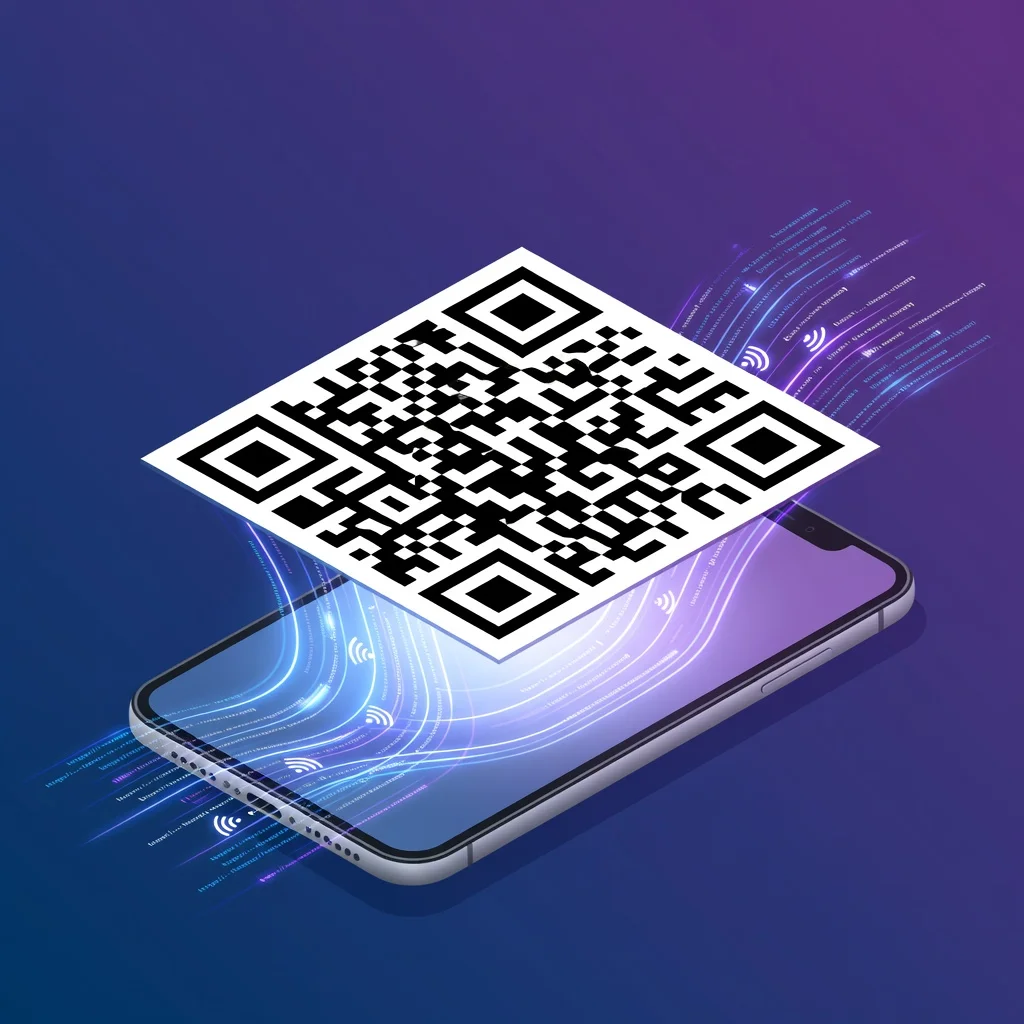
What is a QR code?
QR stands for "Quick Response." Denso Wave, a Japanese company, created them in the 1990s to track car parts faster than traditional barcodes. A QR code is a square grid of black and white blocks that your phone can decode into data, usually a URL, contact details, or WiFi password.
What is a QR code generator?
It's a tool that turns your data into a scannable QR code. You paste in a URL or contact info, the tool encodes it into a pattern, and you get an image you can print or share. The generator handles the technical encoding so you don't have to think about it.
Generators let you create two kinds of codes: static ones that don't change, and dynamic ones you can edit later. Static codes are fine for most situations, a link to your website or contact card. Dynamic codes are useful if you want to change where the code points without reprinting it.
Why use a QR code generator?
- Instant access: People scan and land exactly where you want them, your website, a landing page, or a form.
- Customer engagement: Adding codes to marketing materials makes it easy for people to interact with your business.
- Error correction: Codes stay readable even if they're partially damaged or covered.
- Custom QR codes: You can add your brand colors, logo, or other design touches.
Benefits of using a QR code generator

It's fast: Instead of manually encoding data, you fill in a form and click "generate." Seconds later you have a code ready to use.
You control how it looks: Most generators let you change colors, add a logo, or adjust the design to match your brand. This matters because people are more likely to scan codes that don't look generic.
It's affordable: Plenty of generators are completely free. You get the tool and the codes with no cost or subscription.
Static vs. Dynamic QR codes
Static QR codes: The data is baked into the code when you create it. You can't change what it links to without creating a new code. Use these for permanent things like contact cards or product information.
Dynamic QR codes: You can change where the code points even after printing it. These are useful for time-sensitive campaigns where you want to redirect traffic without reprinting materials. You can also track scan statistics.
Applications of QR codes
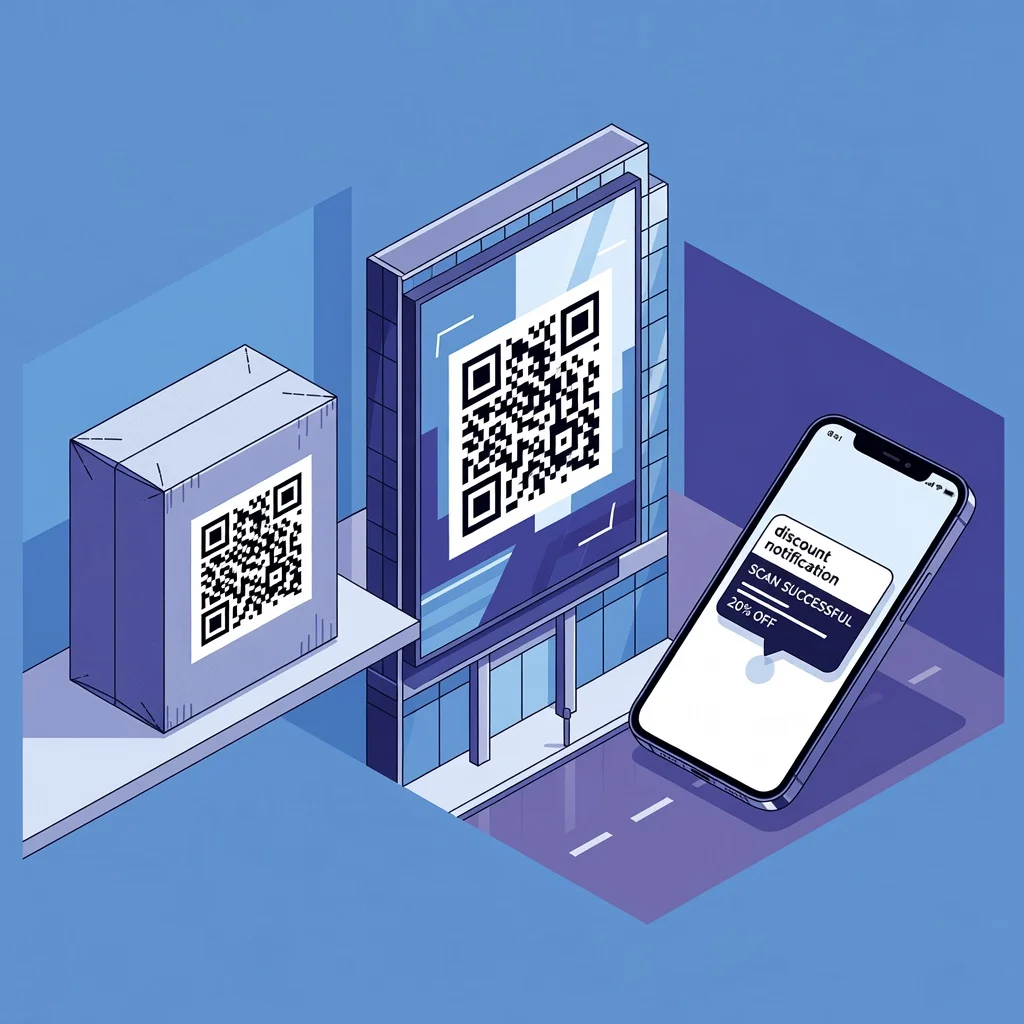
1. Mobile marketing
Put codes on ads, materials, or packaging. People scan and instantly reach promotional content, videos, or landing pages. It bridges print and digital seamlessly.
2. Customer engagement
Use codes to gather feedback, direct people to reviews, or offer a discount. It's a direct line from something physical to actual interaction.
3. Commercial purposes
Businesses use codes to share product specs, warranty info, or discounts. High-quality code images ensure they scan cleanly even when printed small.
Features of a good QR code generator
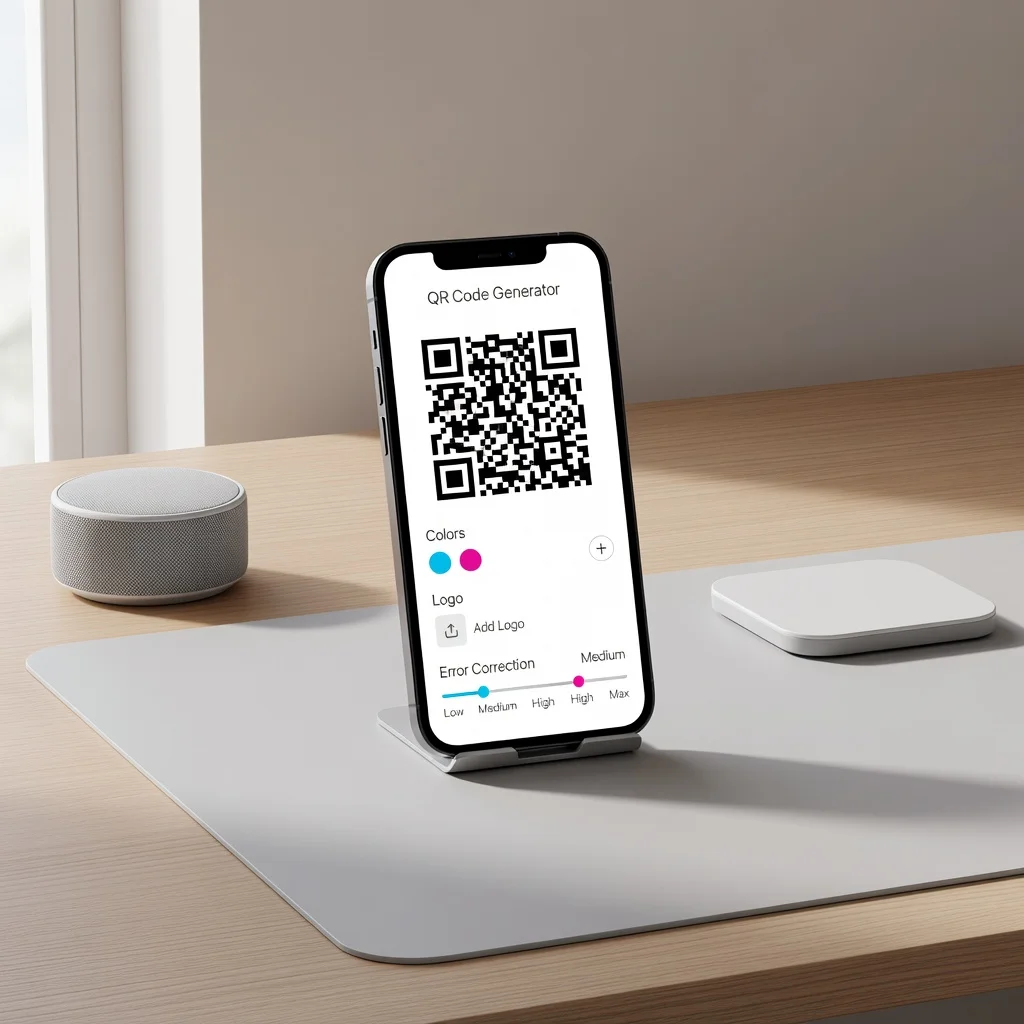
- Free downloads in high resolution: You should get clear, scalable images without paying or hitting download limits.
- Error correction: Codes should remain readable even if part of the image is obscured or damaged.
- Customization options: The ability to change colors, add a logo, or adjust the design so codes match your branding.
How to create a QR code
- Decide what you want to encode, a URL, contact info, WiFi details, or plain text.
- Paste that data into the generator.
- Customize the colors or add a logo if your materials need a branded touch.
- Download the code image in a resolution that works for your use case.
- Test it on your phone to make sure it scans correctly before printing or publishing.
Ensuring QR code legibility
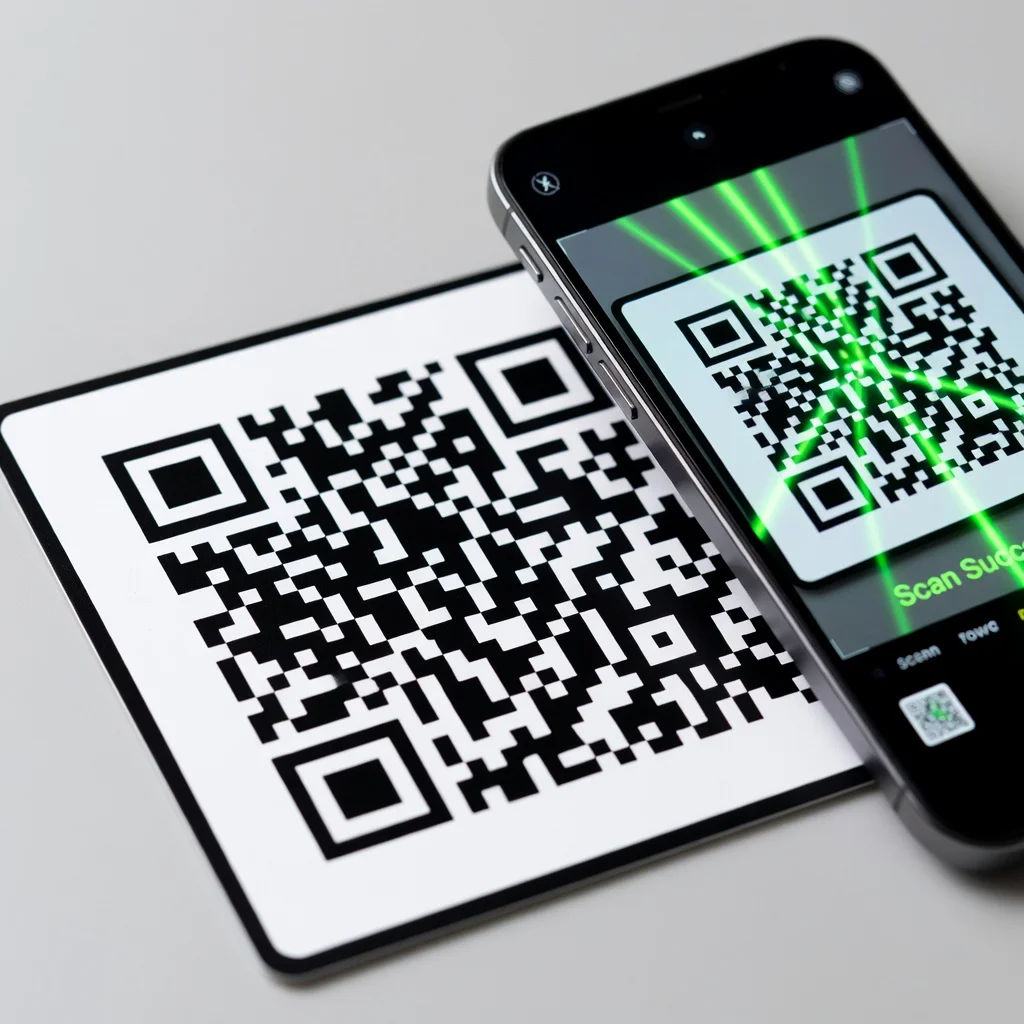
- Use high contrast between foreground and background so codes are easy to read.
- Keep printed codes at least 1×1 inch so phones can focus and scan cleanly.
- Test your codes on different phones before printing in bulk.
- Choose error correction levels that match how you're using the code, higher levels if it might get damaged or partially covered.
Conclusion
A QR code generator is one of the simplest tools for connecting physical and digital. Whether it's a one-time code for business cards or a set of codes for a marketing campaign, generators make the process straightforward and let you customize them to match your brand.