
Capire i codici QR
I codici QR sono ovunque ormai, stampati sui menu, esposti sulle vetrine, incorporati nella pubblicità. Sono codici a barre bidimensionali che racchiudono una quantità sorprendente di informazioni in una semplice griglia di quadrati bianchi e neri. Scansionane uno con il tuo telefono e può portarti a un sito web, mostrarti informazioni di contatto o attivare un numero qualsiasi di azioni. Ciò che li rende potenti per le aziende è quanto siano privi di attriti. Il tuo cliente non deve digitare nulla né cercare. Punta semplicemente la fotocamera e va.
Quando qualcuno scansiona il tuo codice QR, il suo telefono riconosce i dati codificati e agisce immediatamente. Questo potrebbe significare aprire una pagina di destinazione, aggiungere dettagli di contatto al telefono o connettersi a una rete WiFi. La tecnologia è semplicissima dal punto di vista dell'utente, ed è esattamente per questo che funziona così bene.
Creare codici QR per la tua attività
Passaggi per generare un codice QR
- Seleziona il tuo tipo di contenuto: Scegli il tipo di contenuto a cui vuoi che il tuo codice QR si colleghi, l'URL di un sito web, un download in PDF o i tuoi dettagli di contatto.
- Personalizza il tuo codice QR: Aggiungi il tuo logo, cambia lo schema dei colori per abbinarlo al tuo brand e seleziona un codice QR dinamico o statico in base alle tue esigenze.
- Testa e scarica: Prima di usare il tuo codice QR, testalo con diversi lettori QR e dispositivi mobili per assicurarti che funzioni correttamente. Una volta confermato, scarica il codice QR in un formato adatto.
Codici QR dinamici contro statici
I codici QR statici sono fissi. Una volta creato un codice, i dati al suo interno non cambiano mai. Usali quando sei certo che la destinazione non si sposterà, il sito web principale della tua azienda, un numero di telefono permanente o il tuo indirizzo email. I codici statici sono anche più semplici e non richiedono alcuna infrastruttura di backend da mantenere.
I codici QR dinamici sono modificabili. Puoi aggiornare dove puntano senza cambiare il codice stesso. Questa flessibilità conta se stai gestendo promozioni a tempo limitato, testando diverse pagine di destinazione o gestendo campagne in cui la destinazione cambia. Lo svantaggio è che i codici dinamici richiedono un'infrastruttura di server e di solito costano denaro.
Dove posizionare i codici QR
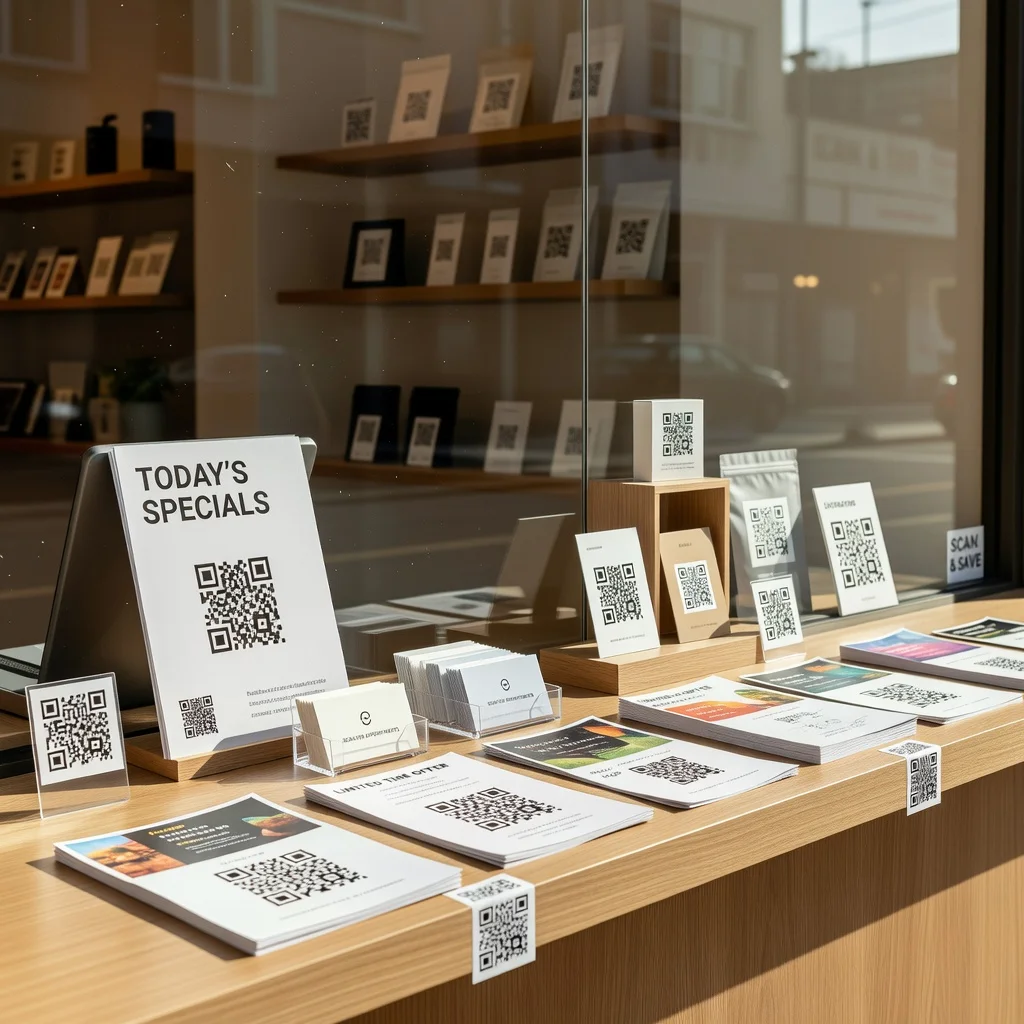
- Materiali di marketing: Inserisci i codici QR in volantini, poster, brochure e annunci stampati.
- Biglietti da visita: Aggiungere un codice QR al tuo biglietto da visita può indirizzare i contatti al tuo profilo professionale, sito web o portfolio all'istante.
- Confezioni dei prodotti: I codici QR sulle confezioni possono fornire agli utenti un accesso facile a video tutorial, servizi post-vendita e moduli di feedback dei clienti.
- Punto vendita fisico: Posiziona i codici QR all'ingresso o all'interno del tuo negozio per promuovere i check-in, offrire sconti o condividere le offerte del giorno.
- Display per eventi: Durante eventi o fiere, i codici QR possono essere usati per scaricare presentazioni, raccogliere contatti e fornire informazioni dettagliate sui prodotti.
Personalizzare il design del tuo codice QR
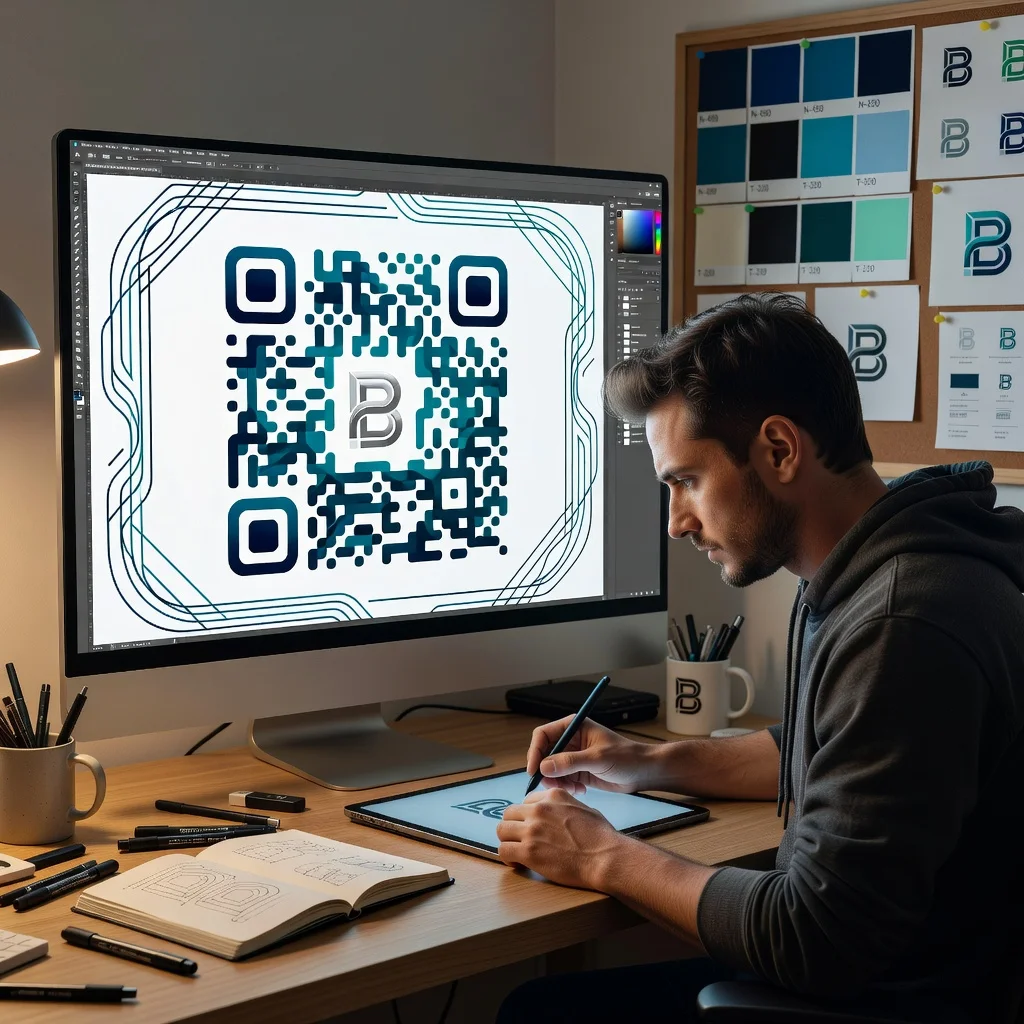
- Aggiungere il logo e i colori del brand: Integra il logo della tua attività e usa i colori del brand per far risaltare i tuoi codici QR e renderli immediatamente riconoscibili.
- Estetica del design: Opta per un design che completi la tua strategia di marketing complessiva, comprese forme o cornici personalizzate.
- Invito all'azione: Includi sempre un invito all'azione vicino al codice QR, come "Scansiona per saperne di più" o "Scansiona per uno sconto a sorpresa."
Monitoraggio e analisi per i codici QR

È qui che i codici QR dinamici dimostrano il loro valore. A differenza dei codici statici, i codici dinamici ti permettono di vedere esattamente quanto spesso vengono scansionati, dove avvengono le scansioni geograficamente, quali dispositivi usano le persone e quando scansionano. Questi dati ti aiutano a rispondere a domande importanti: quali materiali di marketing generano più traffico? Le persone scansionano i tuoi codici in luoghi specifici? Un canale supera gli altri?
Quelle informazioni diventano azionabili. Puoi individuare quali campagne generano un coinvolgimento reale, ottimizzare il posizionamento in base ai dati di performance reali e affinare il tuo messaggio per ottenere risultati migliori.
- Identificare contenuti e tipi popolari che risuonano con il tuo pubblico.
- Segmentare il tuo pubblico in base alle sue interazioni per campagne di marketing mirate.
- Ottimizzare il posizionamento dei codici QR in base a quali luoghi generano più scansioni.
Considerazioni legali ed etiche
La sicurezza conta. Non codificare informazioni aziendali sensibili nei codici QR: dati dei clienti, informazioni proprietarie o dettagli riservati non dovrebbero risiedere in un codice che chiunque può scansionare. Sii chiaro su cosa fa il tuo codice. Se raccoglie informazioni personali, dillo alle persone in anticipo. Rispetta le leggi sulla protezione dei dati nella tua giurisdizione, specialmente se raccogli email o altri dettagli personali. La trasparenza costruisce fiducia con i tuoi clienti.
Prospettive future
I codici QR si stanno evolvendo oltre i semplici link. Le esperienze di realtà aumentata stanno diventando realizzabili, immagina di scansionare un codice sulla scatola di un prodotto per vedere un modello 3D di ciò che c'è dentro. La connettività IoT è un'altra direzione; scansionare un codice su un dispositivo potrebbe collegarlo automaticamente alla tua rete domestica. La semplicità fondamentale dei codici QR significa che probabilmente resteranno rilevanti man mano che emergeranno nuovi utilizzi.
Conclusione
I codici QR funzionano perché eliminano l'attrito tra l'intenzione di un cliente e l'azione. Non sono di moda né rivoluzionari, sono strumenti pratici che risolvono problemi reali. Che tu stia cercando di raccogliere contatti, generare traffico nel negozio, condividere dettagli di contatto o monitorare le performance di marketing, i codici QR offrono un approccio diretto. La chiave è pensare in modo strategico al posizionamento, al design e a ciò che stai effettivamente cercando di realizzare.